
Do We Need a Wedding Planner?
An Honest Answer From Someone Who Does It for a Living
Your honest, no-fluff guide to wedding planning in Northern Germany — and whether hiring a planner is right for you.
Let's be honest — when you first hear the words "wedding planner", one of two things happens. Either you immediately think,
"Yes. Obviously. Where do I sign?"
Or you think:
"Plenty of people plan their own weddings. How hard can it be?"
Both reactions are completely valid. And the honest answer is: it depends. Not every couple needs a wedding planner. But a lot of couples who think they don't need one quietly wish, somewhere around month four of spreadsheets and unanswered vendor emails, that they'd brought one on earlier.
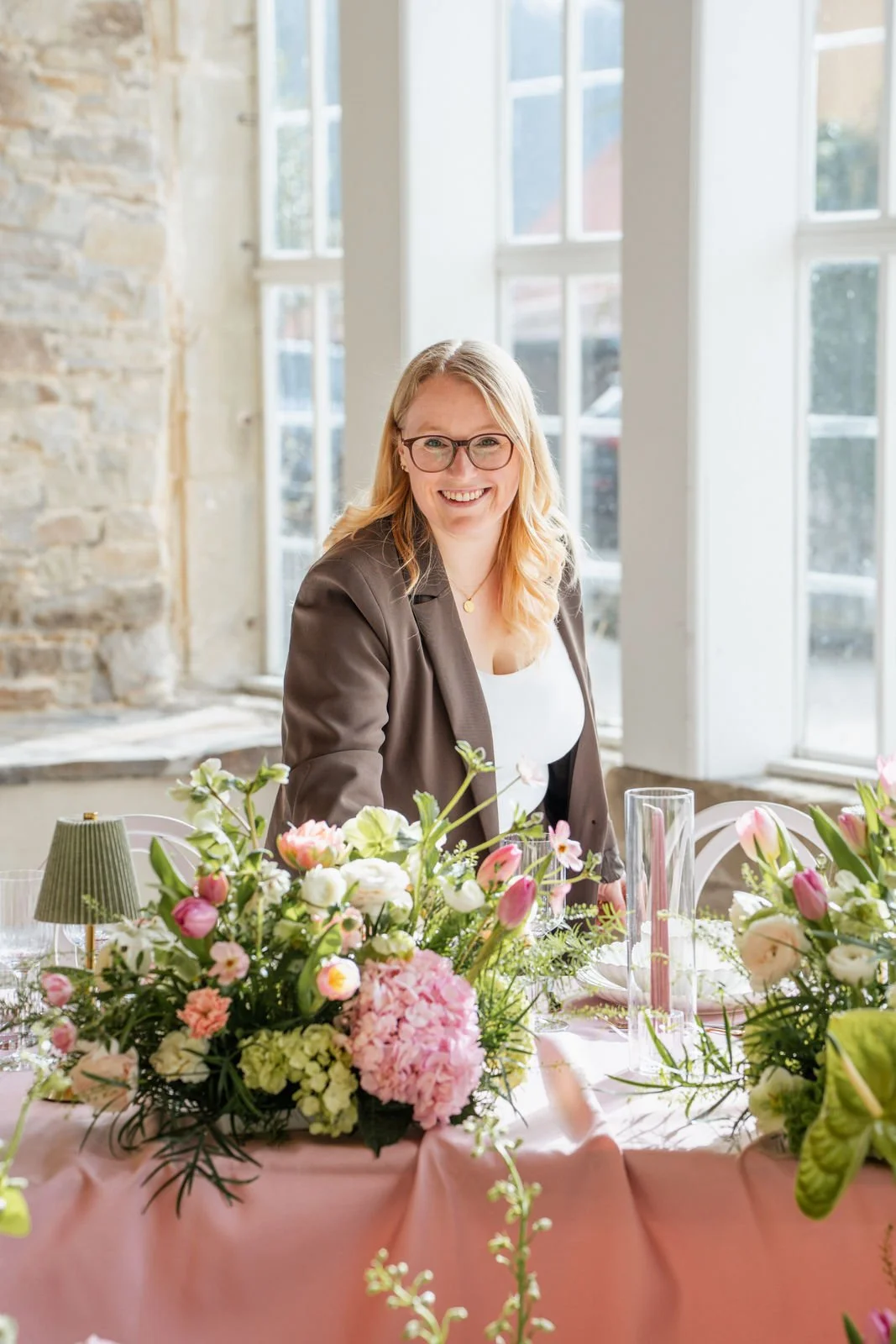
To help you figure out which side of that fence you're on, we sat down with Sophia von Aspern — wedding planner, former project engineer, and the woman behind von Aspern Weddings in Lüneburg. Sophia covers Hamburg and all of Northern Germany, and she has a perspective on wedding planning that's a little different from most: she planned her own wedding near Lüneburg entirely by herself, realised how much time and energy it took, and decided to make it her job to save other couples from the same experience. Whether you're a local couple or coming from abroad, this one's for you.
First Things First: What Does a Wedding Planner Actually Do?
Before you can answer "do I need one", you need to know what you'd actually be getting. Because "wedding planner" covers a lot of ground — and most couples are surprised by how much of it happens behind the scenes.
There are three main levels of support:
Full-service planning covers the entire journey from start to finish — venue selection, vendor management, design concepts, timelines, and all the small details in between. Your planner guides you from the very first conversation to the moment you walk down the aisle (and everything after). Think of them as your project manager, creative director, and logistics coordinator, all rolled into one.
Partial planning is a shared approach. You handle the parts you enjoy or already have sorted, and bring in a professional for the areas where you need support most — vendor recommendations, timeline creation, design guidance, or just a sense-check when the decision fatigue kicks in.
Day-of coordination focuses entirely on the wedding day itself. Your coordinator manages the timeline, keeps vendors on track, oversees the ceremony, and handles anything unexpected — so you, your families, and your guests can simply be present and enjoy it. As Sophia puts it: "Day-of coordination is a valuable addition to both full-service and partial planning. It ensures that all the preparation comes together seamlessly on the day."
Week to week, the work is largely invisible to the couple — which is exactly the point. A planner researches venues and vendors, requests and compares proposals, attends site visits, and acts as the central point of contact for everyone involved. Many vendors will communicate directly with the planner rather than the couple, which means far fewer emails landing in your inbox about menu choices, delivery windows, and setup logistics.
As the wedding day approaches, the focus shifts to the fine details:
finalising the timeline, briefing all vendors, and connecting with family members and the wedding party to make sure speeches, surprises, and special moments are all accounted for. The goal is simple — that everything runs smoothly and the couple never has to worry about whether it will.
There's also a side to wedding planning that doesn't get talked about enough:
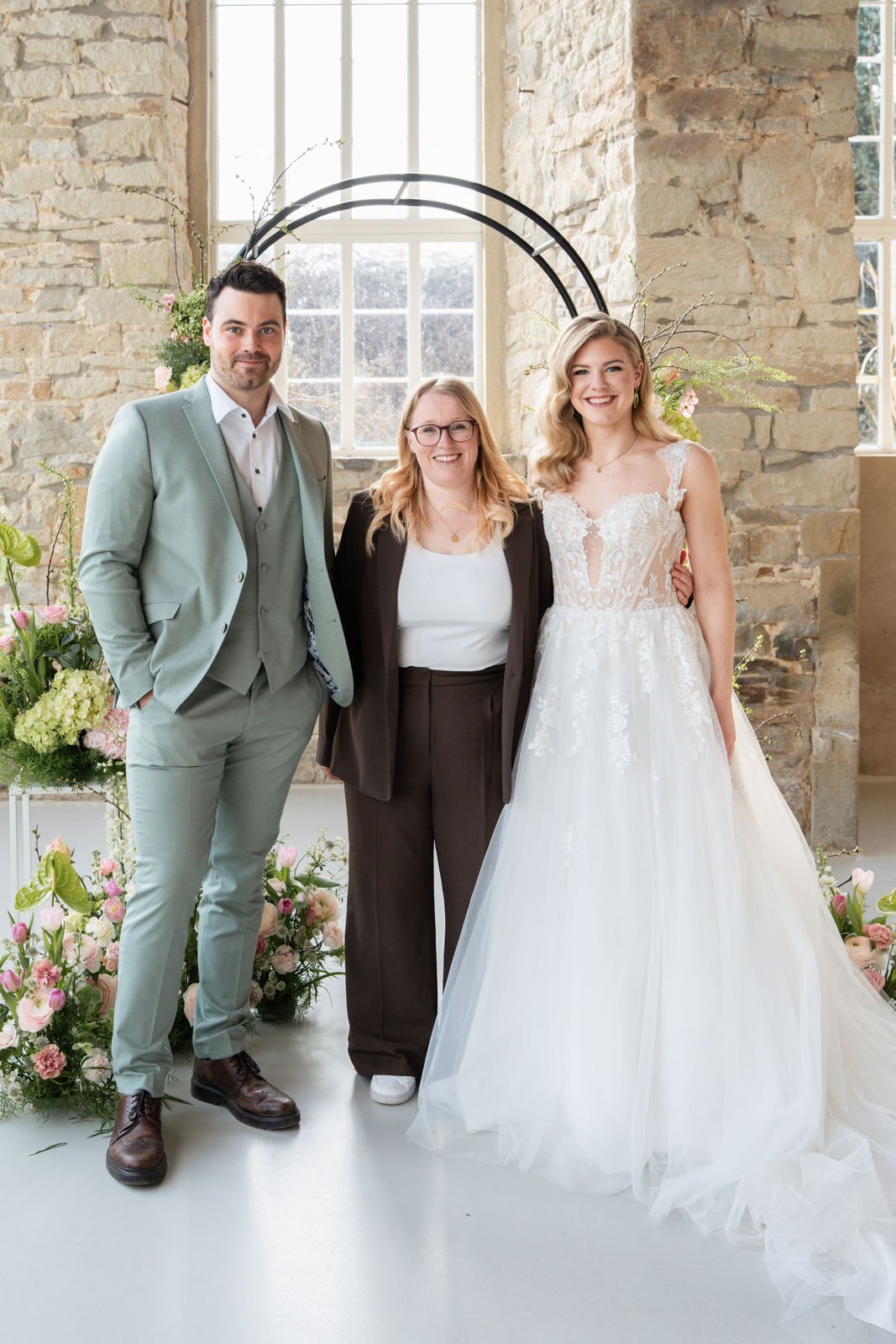
the emotional support. Interestingly, Sophia says this is often needed less than people expect when a full-service planner is involved — because so much of the stress is already off the couple's plate. But it's there when it's needed. Sometimes it's as simple as reminding a couple that it's their wedding and they get to do it their way — like the groom who wanted to wait at the altar while his partner walked in alone, then started second-guessing it because someone told them it wasn't "traditional". Spoiler: they did it their way. It was perfect.
© Sarah Prahm
So… Do You Actually Need A Wedding Planner?
Here's the honest answer: it depends on your time, your priorities, and how much of the coordination you genuinely want to take on.
You probably don't need a full-service planner if…
You genuinely enjoy organising, have the time to dedicate to it, and like the idea of researching vendors and managing the details yourself. Some couples love being hands-on with every decision — and for them, planning their own wedding is part of the experience, not a burden. If that sounds like you, go for it.
As Sophia puts it: "It's not about whether a wedding can be planned without a wedding planner. Of course it can. The real question is how much time, energy, and responsibility you want to take on, and whether that fits comfortably into your life."
You'd probably benefit from at least some support if…
You're working full-time, have a lot on your plate, and the idea of spending your evenings and weekends comparing catering proposals and chasing DJ confirmations sounds like your idea of a nightmare. Wedding planning involves a surprising amount of coordination — and the administrative load alone can take a serious toll on what should be one of the most enjoyable periods of your life.
You'd also likely benefit from support if you're planning from abroad. Sophia has worked with couples living for example in Switzerland who were getting married in Germany, and the distance alone — venue visits, vendor meetings, time zone logistics — adds a whole extra layer of complexity. The same goes for international couples or anyone planning in a language that isn't their first. While many vendors in Northern Germany communicate in English, not all of them do, and having someone who can bridge that gap makes everything smoother.
Are you looking for a wedding photographer in Germany?
And here's the one thing Sophia would recommend to almost everyone, regardless of budget or planning style:
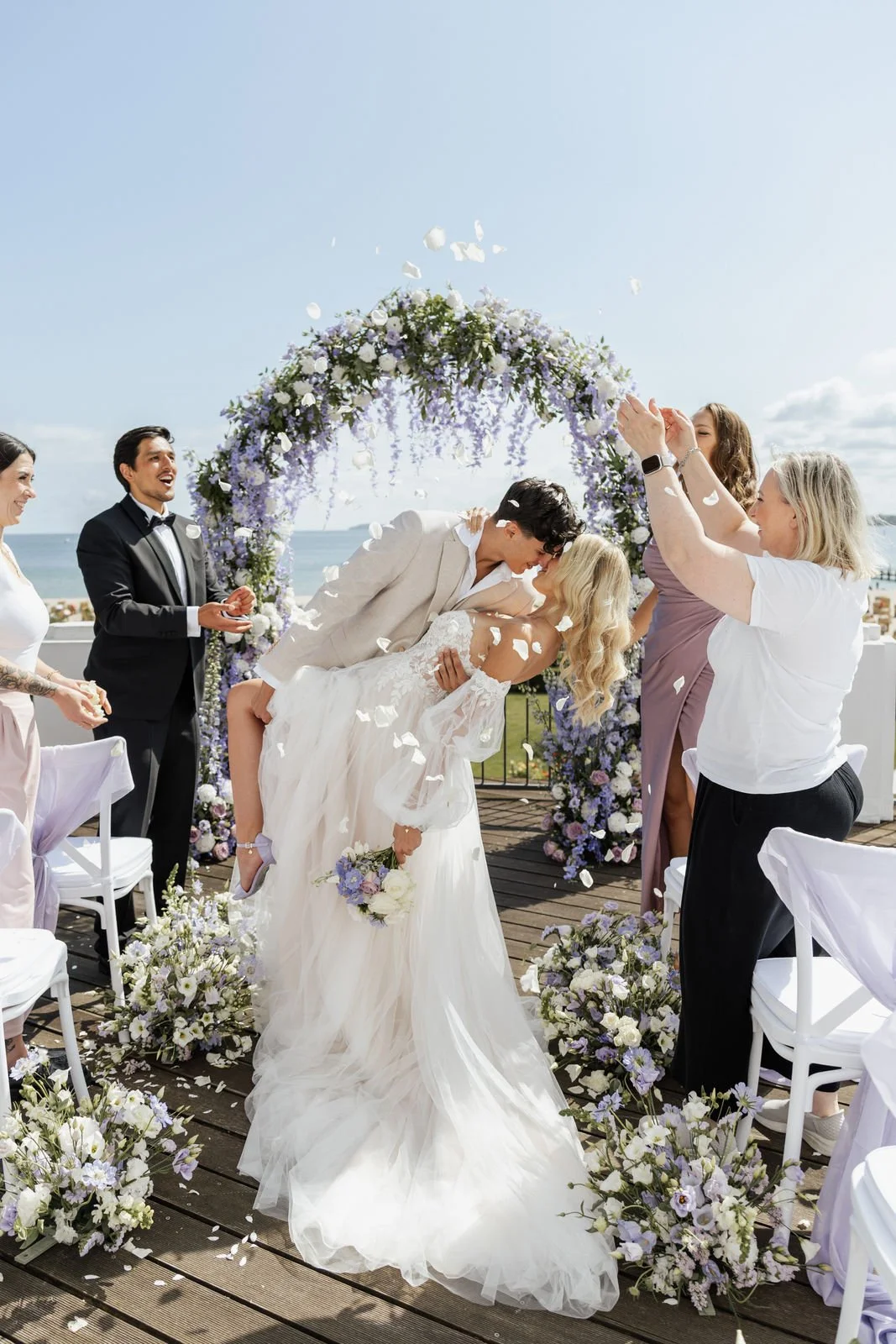
have someone coordinating your actual wedding day. Whether that's a full planner, a day-of coordinator, or another trusted person with a clear role — somebody should be managing the timeline and handling the unexpected, so you're not the one answering questions about where the chairs go while you're trying to get married.
Where Do You Even Start?
Whether you're working with a planner or doing it alone, the early stages of wedding planning can feel genuinely overwhelming. Here's how to get your footing.
Date or venue — which comes first?
The honest answer: it depends on you. Some couples have a date that means something — an anniversary, a milestone — and work from there. Others just know they want to get married in autumn and are flexible on the exact day. Neither approach is wrong. What Sophia does recommend, regardless of where you're starting: speak to a planner early, even if you don't have everything figured out yet. Having an expert involved from the beginning makes those first decisions a lot easier.
How far in advance should you start planning?
In an ideal world, 18 to 24 months before your wedding date — especially if you're planning a peak season celebration. Popular venues and in-demand vendors (photographers included) often book up more than a year in advance, particularly for summer weekends.
That said, shorter timelines are absolutely possible. Our planner is currently working on a wedding with only a few months between the first conversation and the big day, and it's coming together beautifully. The key is flexibility — the closer you are to the date, the more open you'll need to be about specific venues, vendors, and timing. Once the venue is locked in, a lot of the rest can often move surprisingly quickly.
How Do You Set a Realistic Wedding Budget?
Start from the ground up, not from a random overall number. Think about which parts of the day matter most to you, research realistic price ranges for each, and allocate accordingly.
One common trap: underestimating venue, catering, and drinks.
Our planner recommends budgeting at least €200 per guest for those three elements alone — and in premium venues or more urban settings, that can easily climb to €350 or more. With 70 guests, that's €14,000 before you've even thought about a photographer, florist, or entertainment.
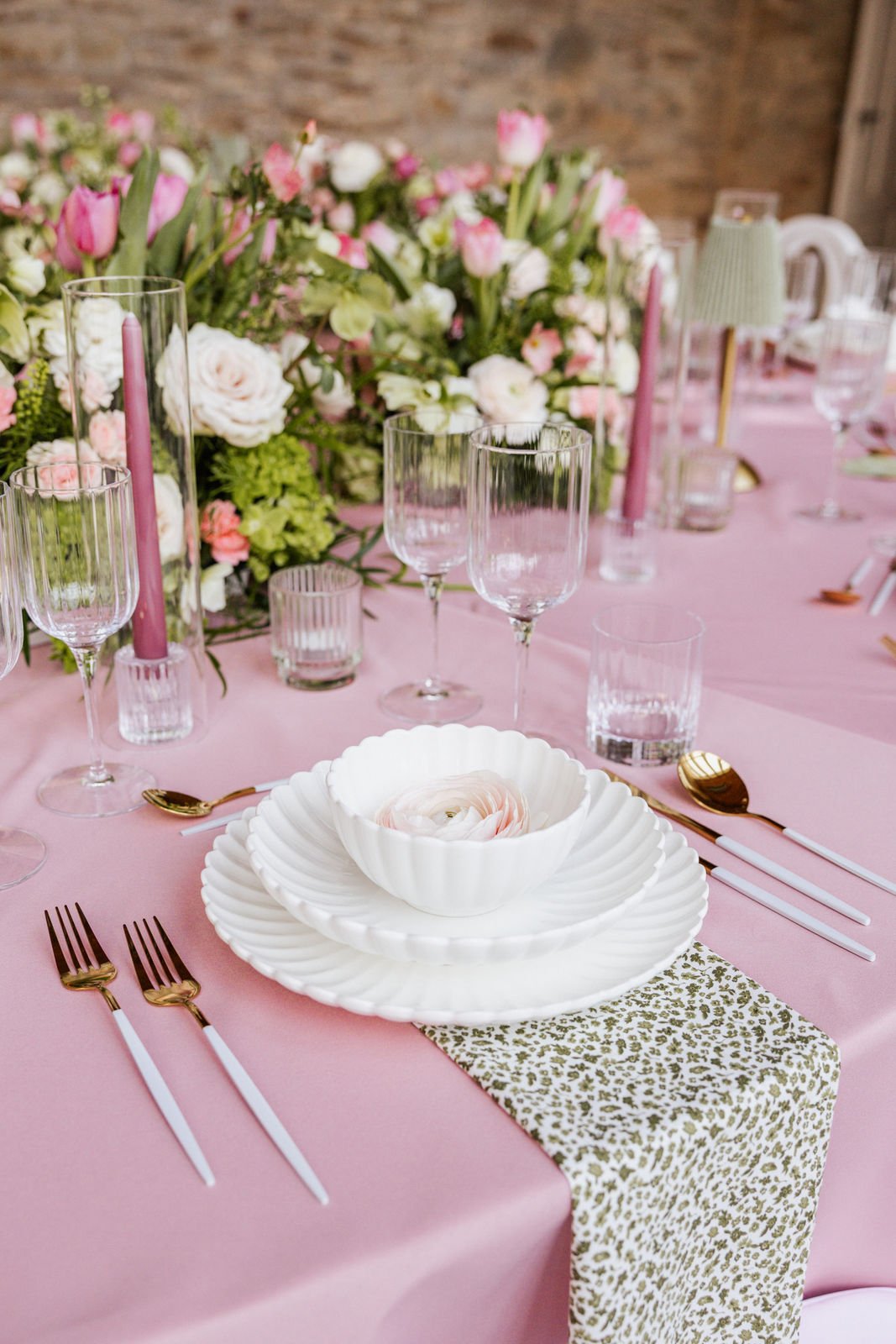
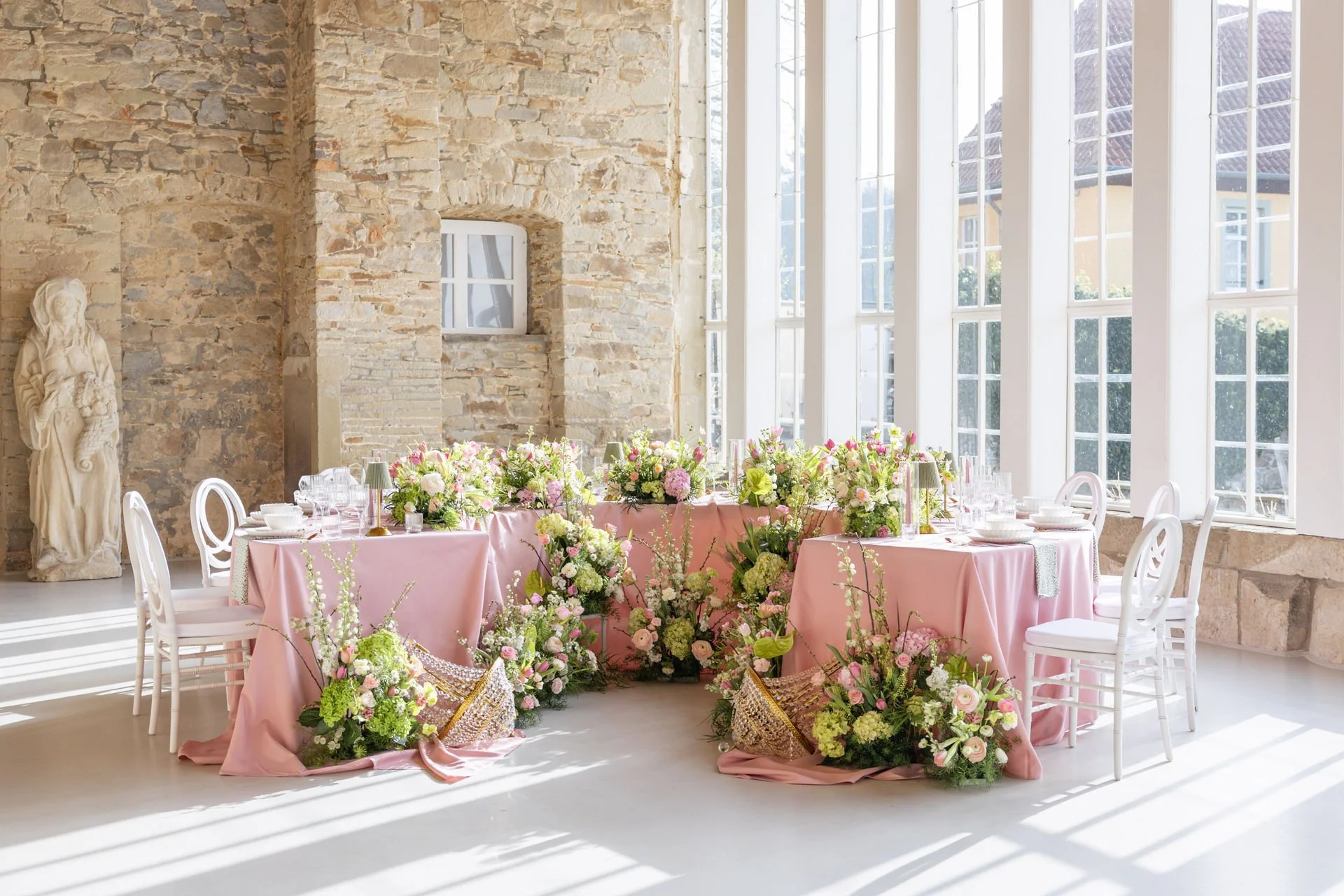
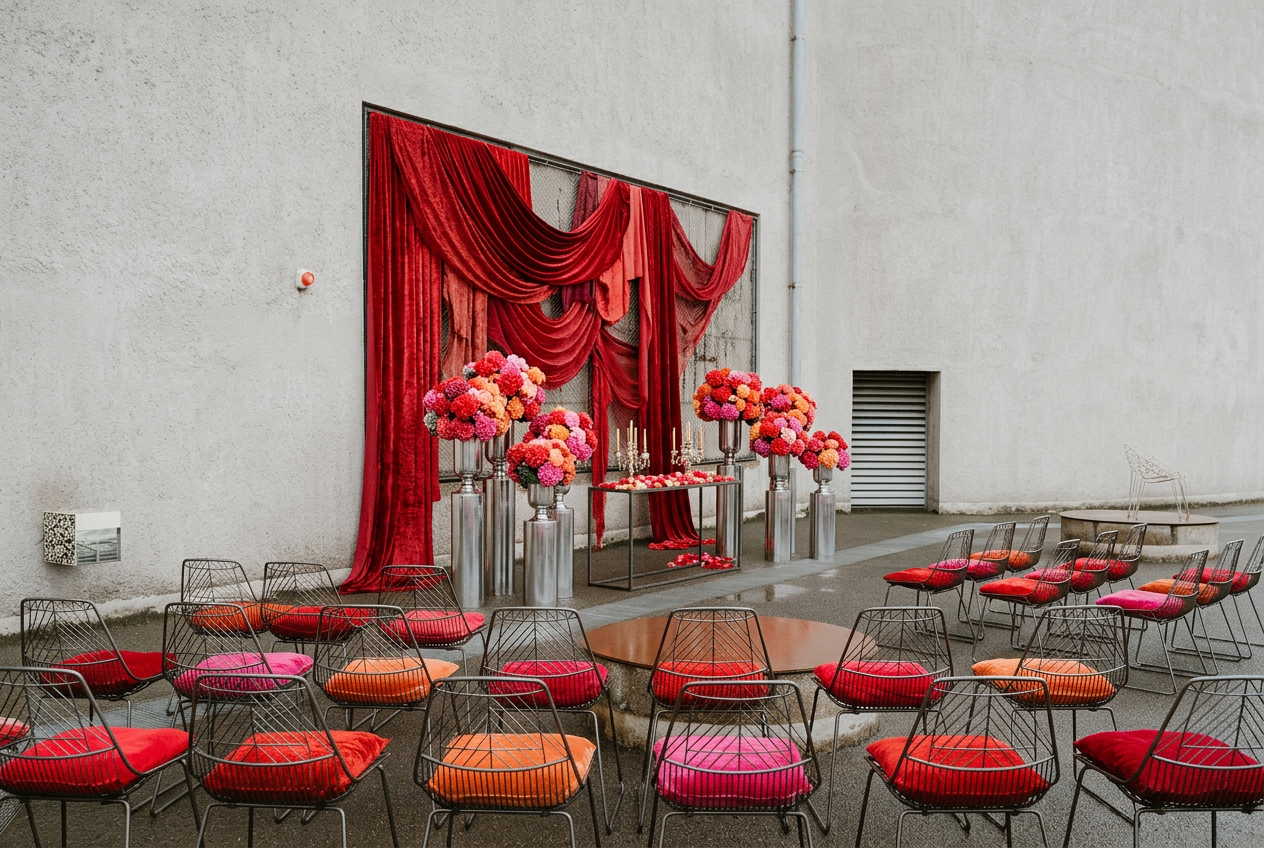
Floristry is another area that surprises couples. Those lush installations and statement arrangements from your Pinterest board? Beautiful — and often a significant chunk of the budget. Factor it in early.
The Do's and Don'ts of Wedding Planning
Some of this is Northern Germany-specific. Some of it is just good advice, wherever you're getting married.
The Do’s
-
Whether it's the venue type, the photographer's style, live music, or having a fully outdoor ceremony — get clear on what you'd never compromise on, and what you're genuinely flexible about. It makes every decision that follows so much easier.
-
Your photographer, planner, and venue are usually the first things to fill up. Don't wait until everything else is sorted to think about these — they're often the hardest to find at short notice and the most important to get right.
-
If you already have a date in mind, check availability before you schedule a viewing. Falling for a venue that's already booked on your date is a specific kind of disappointment that's very easy to avoid.
-
Especially at the start, when you don't have a clear sense of what things cost. Comparing a few options helps you understand the market, set realistic expectations, and make genuinely informed decisions rather than just going with whoever responded first.
The Don’ts
-
This is probably the most common misconception, and it stops a lot of couples from even exploring the option. Planners work across all budgets and all scales — and even partial support or day-of coordination can make an enormous difference without a huge additional cost.
-
Especially for your key vendors. Personality, quality, and experience matter just as much as the number on the invoice — sometimes more. The cheapest option and the right option are often not the same thing.
-
This is the one Sophia feels most strongly about. You've spent months (maybe years) planning this day. On the day itself, you should be able to let go of the logistics completely. Have someone — a coordinator, a ceremony manager, a trusted person with a clear brief — keeping an eye on the timeline and handling anything that comes up. It's the difference between experiencing your wedding and managing it.
-
Northern Germany is beautiful. It is not predictable. Even in high summer, rain is a genuine possibility — so always, always have a Plan B for outdoor ceremonies. A good backup doesn't mean settling; it means being prepared to enjoy the day whatever the sky decides to do.
-
Build a mood board or visual direction early on, and let it guide your choices across vendors, styling, and details. When everything feels connected to the same story, the day coheres in a way that's hard to put into words but immediately felt by everyone there.
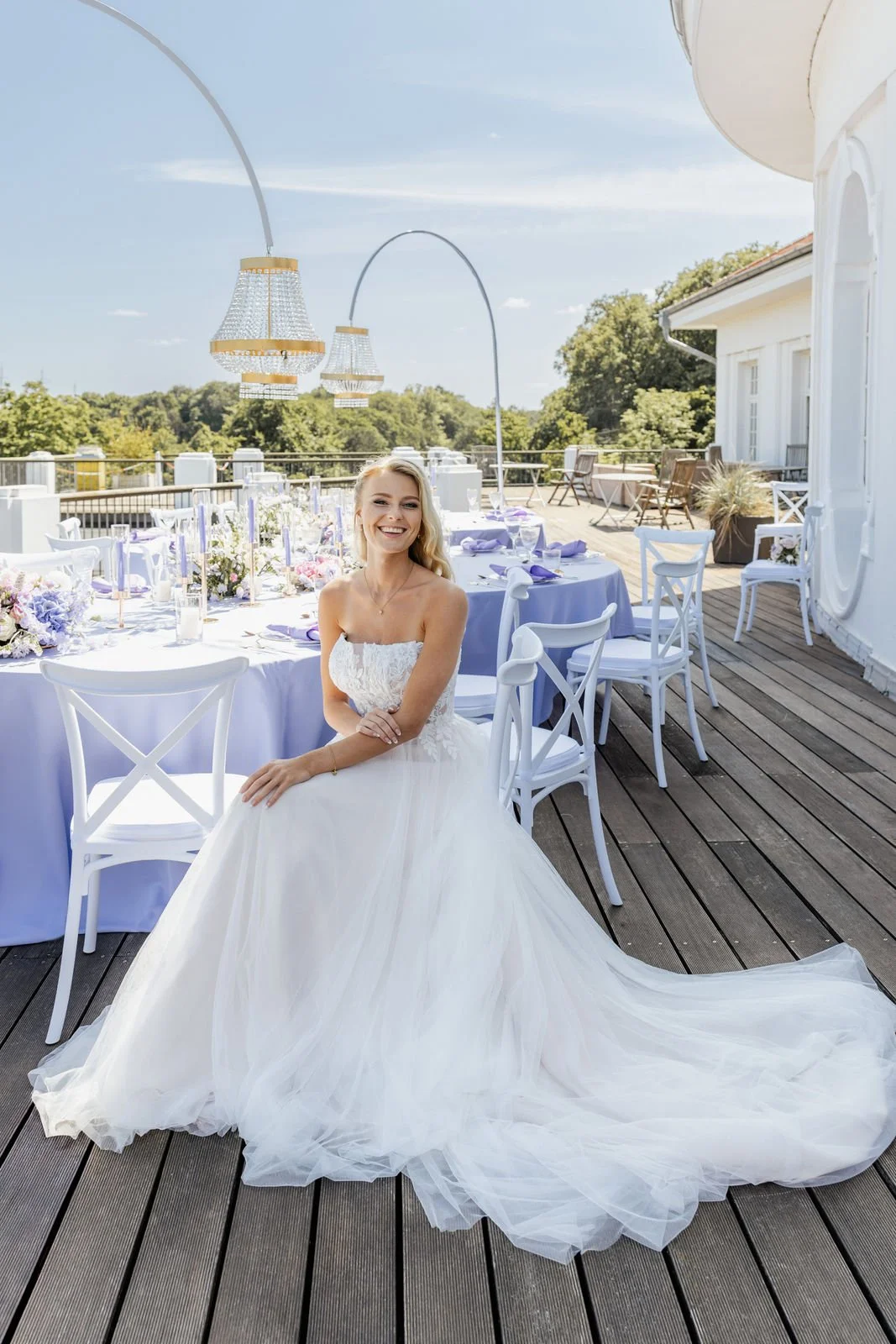
"There's something incredibly beautiful about combining elegant venues, historic estates, or castles with the calmness of the water.
It creates a unique mix of sophistication and natural beauty that I never get tired of."
Getting Married in Northern Germany — What Makes It Special
If you're considering Northern Germany as your wedding destination — whether you live here or you're coming from somewhere else entirely — there's a lot more on offer than most people realise.
Within just a few hours, you can go from the beaches of the Baltic Sea and the North Sea to the rolling landscapes of the Lüneburg Heath, the lakes and historic estates of Mecklenburg-Vorpommern, charming countryside venues, impressive castles, or vibrant city settings in Hamburg and Bremen. One thing many of these regions share is a connection to water — coastlines, lakes, rivers, harbours — which creates an atmosphere that feels both timeless and incredibly photogenic.
When we asked Sophia which area she loves most, she didn't hesitate: the Baltic Sea. "There's something incredibly beautiful about combining elegant venues, historic estates, or castles with the calmness of the water. It creates a unique mix of sophistication and natural beauty that I never get tired of."
On the topic of timing, every season brings something different:
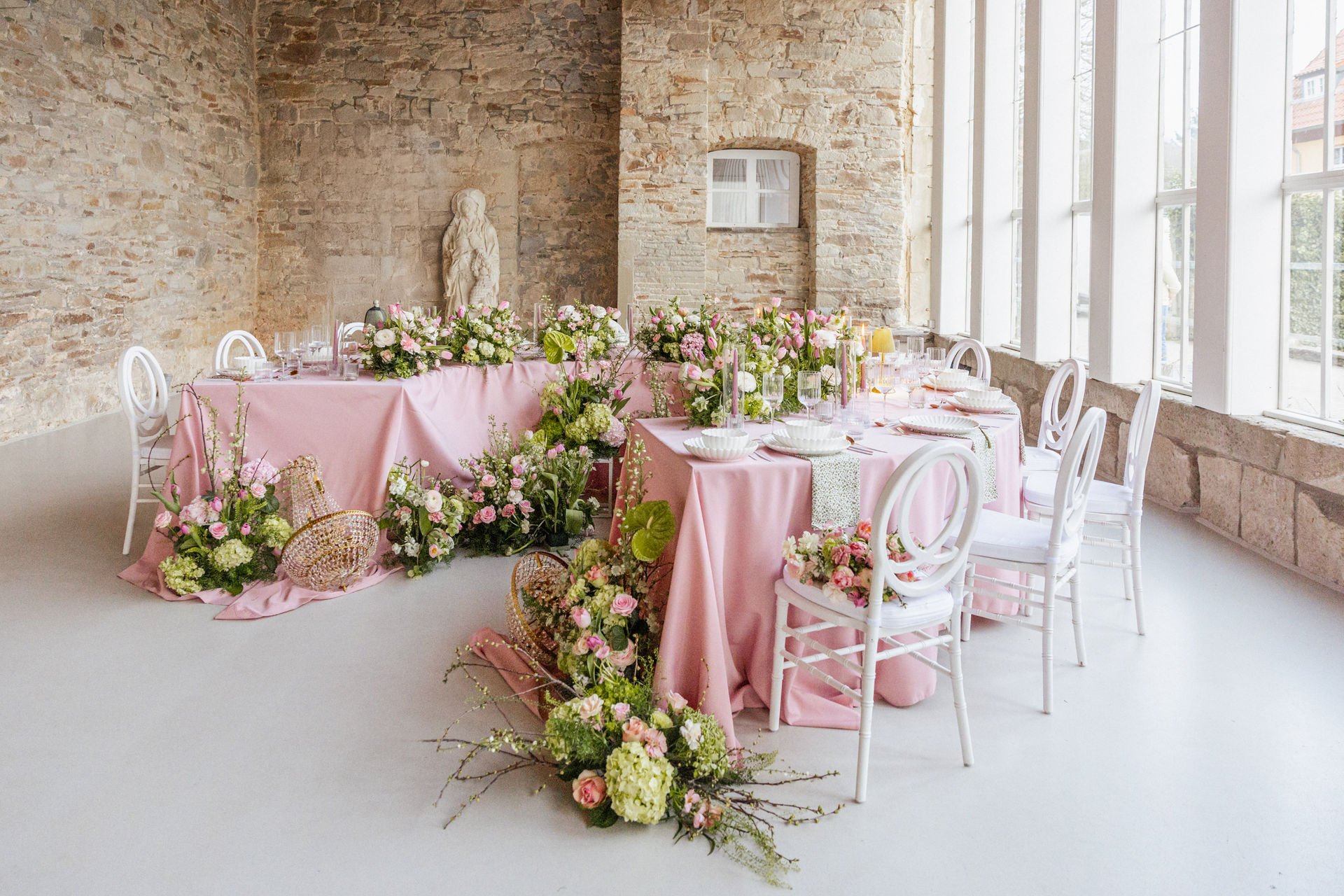
Spring — Sophia's personal favourite. Fresh, green, flowers in bloom, beautiful light, and a feeling of optimism that translates beautifully in photos.
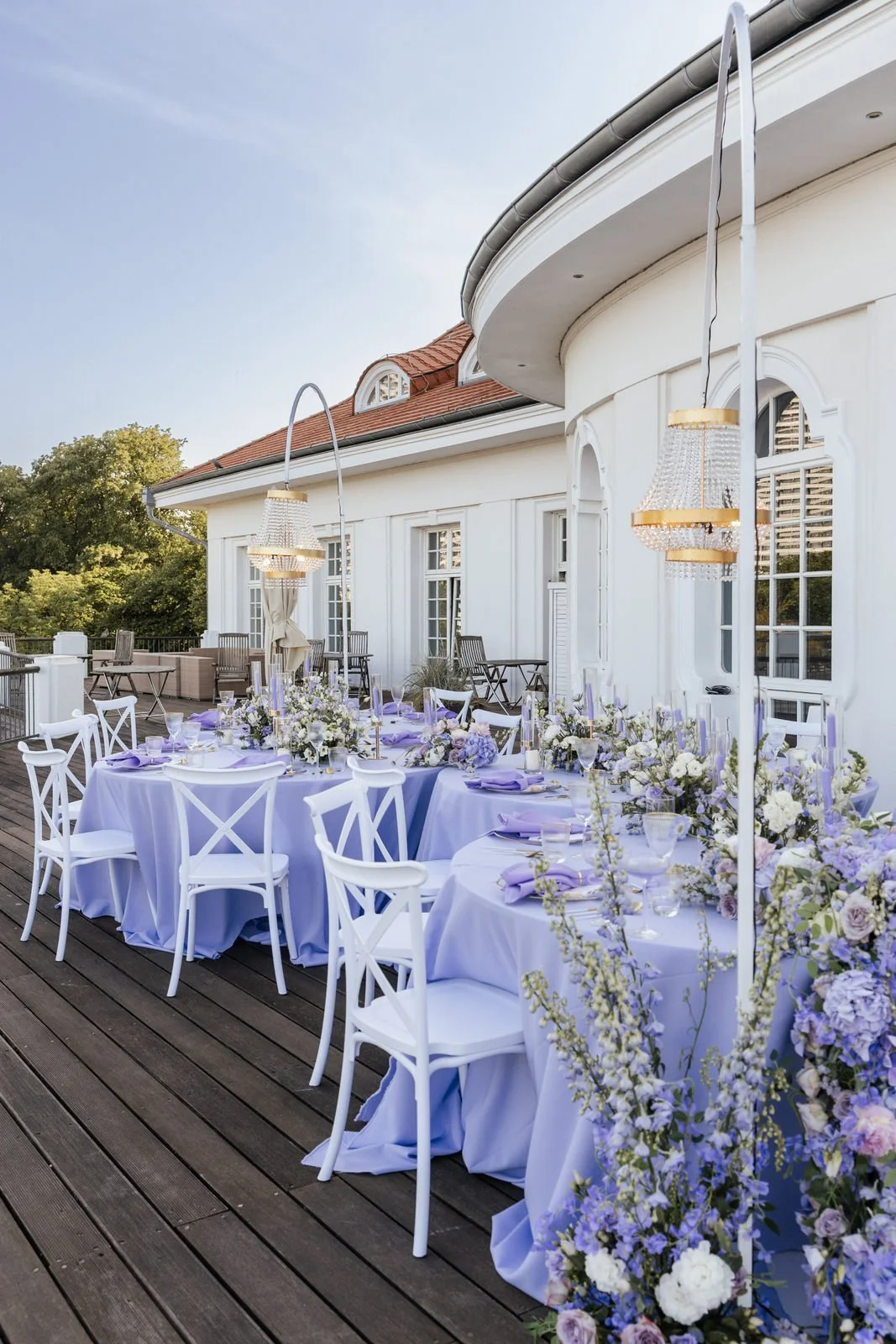
Summer — the most popular season, ideal for outdoor ceremonies and long evenings. Book early: popular venues and vendors fill up fast.
Autumn — the most underrated, hands down. Stunning colours, soft light, cosy atmosphere, and couples who are usually better prepared for flexibility from the start.
Winter — candlelight, historic interiors, and an intimacy that's hard to replicate any other time of year.
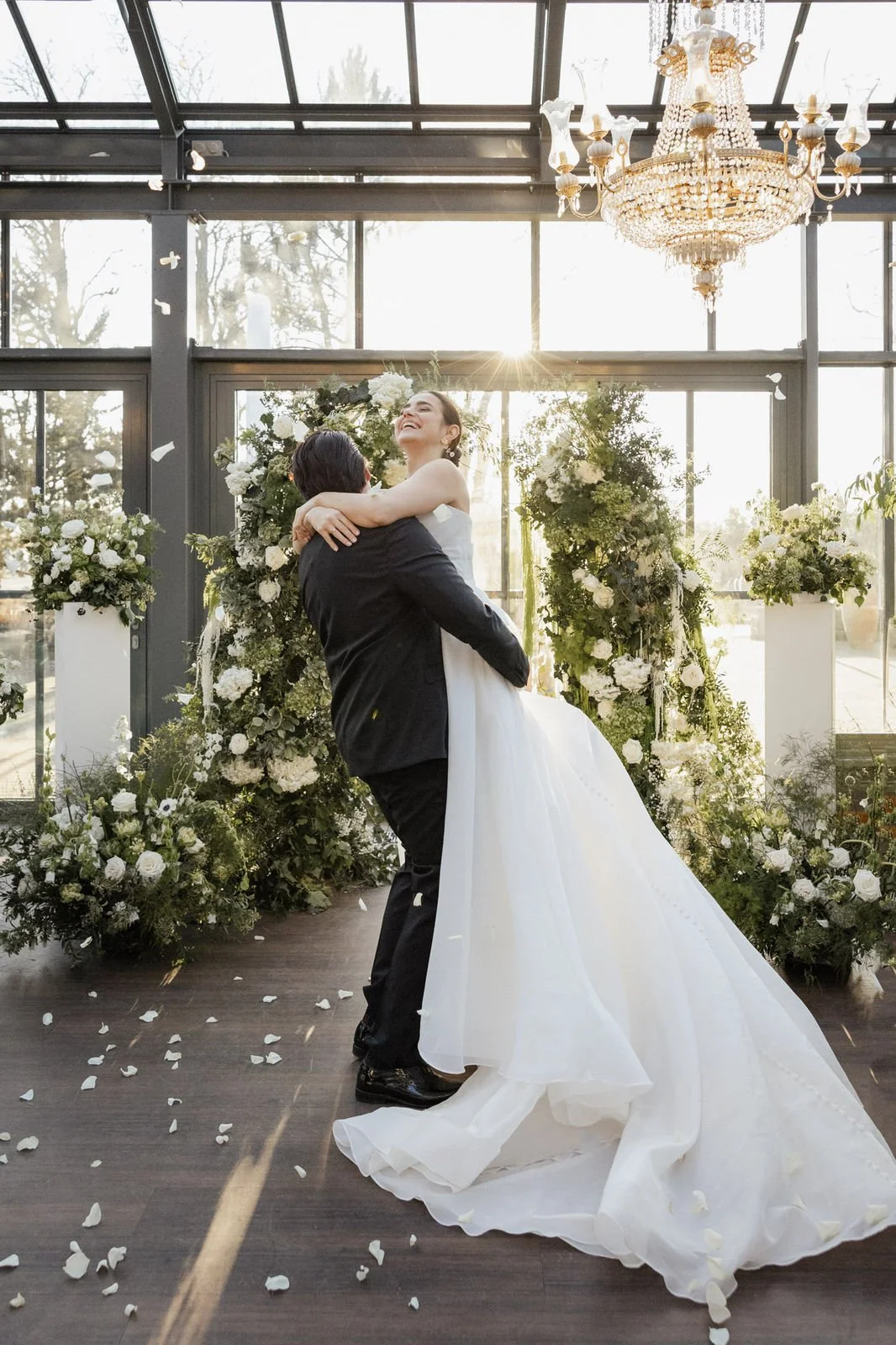
For destination couples, Northern Germany is genuinely worth considering over the more obvious choices. Many venues offer the possibility of a full wedding weekend — where guests stay together on-site, celebrate across multiple days, and have a completely immersive experience. Some venues have a surprisingly Mediterranean feel in summer; others offer total seclusion in nature. It's a destination that rewards couples who look a little closer.
When we pressed Sophia for her top three venue picks in Northern Germany, she landed on these:
Villa Sophie near Bad Münder— tucked into the forest, modern and high-end, completely private. The kind of place you arrive at and feel like the outside world doesn't exist.
Orangerie Gut Ostenwalde— a stunning event space on a beautiful estate, with flexible layouts that let couples design their wedding very individually.
Weissenhaus Private Nature Luxury Resort— right on the Baltic Sea, with luxury, privacy, and the kind of setting that makes a full wedding weekend feel completely effortless.
What Happens Once You've Got the Planning Sorted?
Whether you hire a planner, go it alone, or land somewhere in between — there's one thing every couple has in common: they want the day to be remembered. Not just by them, but by everyone there.
A great wedding planner takes care of the logistics. A great wedding photographer takes care of the memories. If you're planning a wedding in Northern Germany, Europe or elsewhere in the world and you're looking for a photographer who will document every real, unscripted, beautiful moment of it — from the getting-ready chaos to the last song — I'd love to hear from you.
Take a look at my portfolio or drop me a message. Let's make something beautiful together.
About Sophia von Aspern
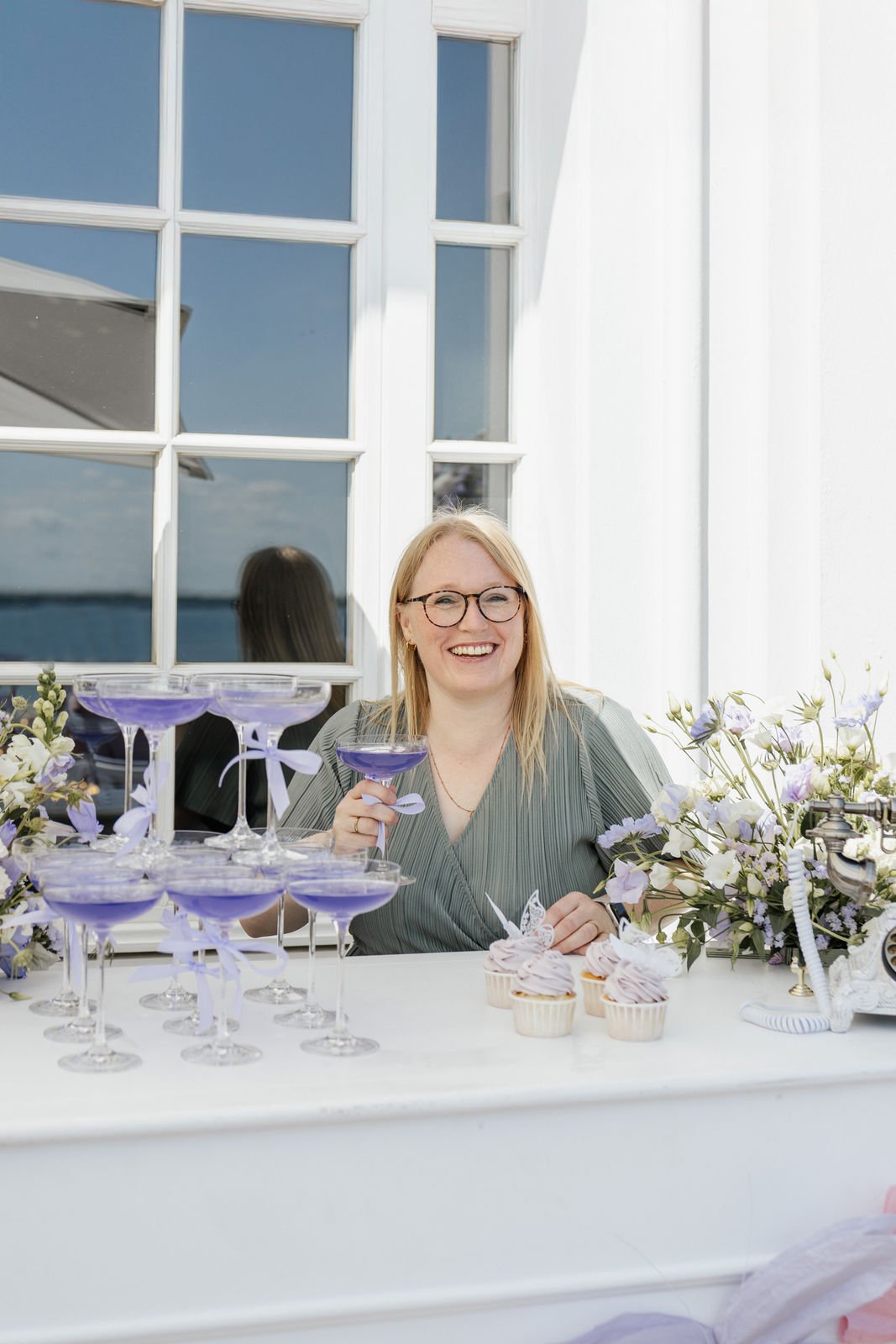
Sophia von Aspern is a wedding planner based in Lüneburg, covering Hamburg, Bremen, Hannover, and all of Northern Germany.
Before becoming a wedding planner, Sophia worked as a project engineer in construction — which means budget planning, logistics, and keeping a hundred moving parts on track are very much her comfort zone.
It’s her mission to give other couples a planning experience that's actually enjoyable. Find out more and book a free consultation at vonaspern-weddings.de.
If you’re still looking for a wedding photographer in Hamburg and beyond who creates stunning wedding photos for you + your partner, let’s chat!
More from the Blog:

We sat down with Sophia von Aspern, a wedding planner based in Lüneburg (and former project engineer), to get the real answer — not the sales pitch. From what a planner actually does behind the scenes, to who genuinely doesn't need one, to why "day-of coordination" might be the one thing every couple should have regardless of budget. Plus: her honest take on venues, timing, and the most underrated wedding season in Northern Germany.